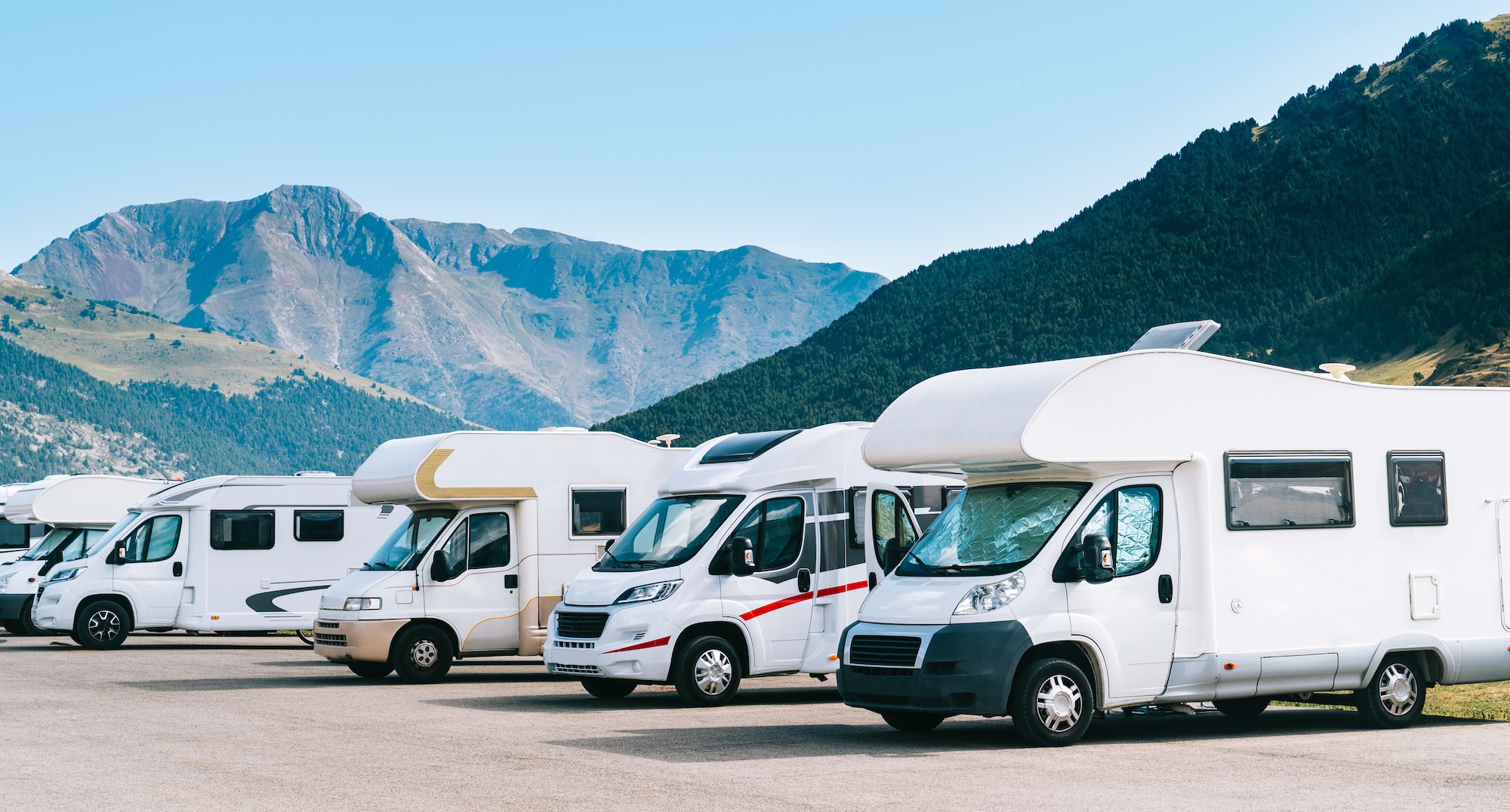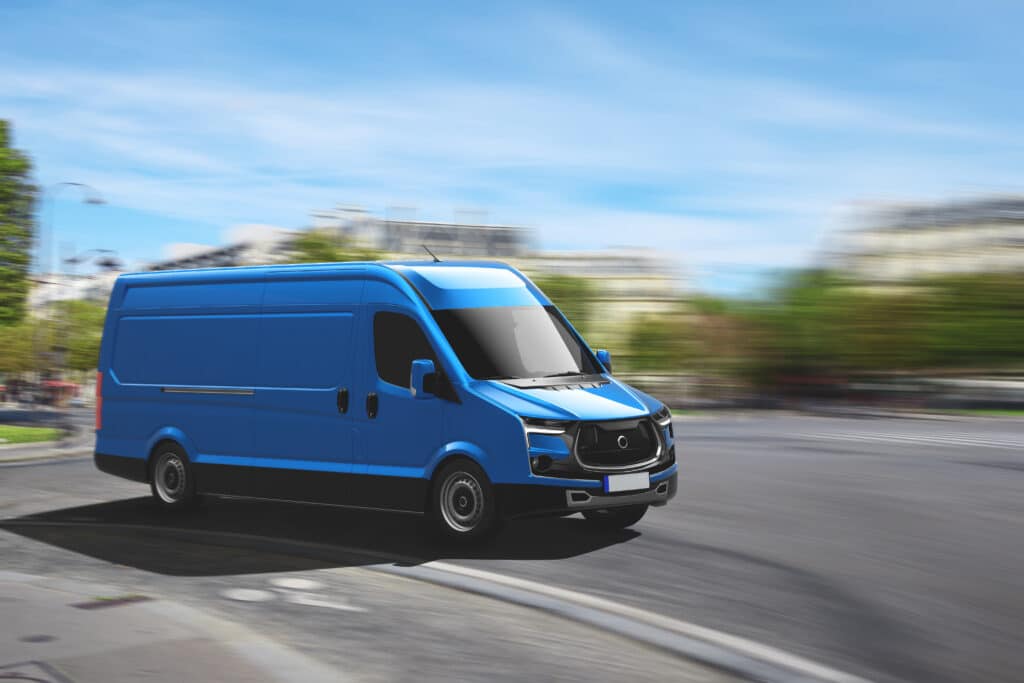
The simple answer is yes. If your business has a genuine use for a campervan, there’s no reason you can’t finance one through the company. It’s actually a question we get asked more than you’d think.
Campervans have become a surprisingly practical business asset for the right kind of operation.
Travel flexibility, a mobile base you can actually work from, and some decent tax advantages if the purchase is structured properly. It’s worth looking into rather than just assuming it’s not possible.
It doesn’t matter whether you’re a sole trader, a limited company or a partnership. Buying a campervan through your business is completely achievable, you just need the right finance in place and someone who knows what they’re doing.
Why Buy a Campervan Through Your Business?
For businesses that involve a lot of travel, need a flexible working base, or occasionally entertain clients on the road, a campervan can make a lot of practical sense. There are a few reasons why more business owners are choosing to buy one through their company rather than personally:
- Better Cash Flow Management: Financing a campervan helps preserve working capital for other business expenses.
- Potential Tax Benefits: VAT reclaim, capital allowances, and deductions on running costs could lower your expenses.
- More Business Flexibility: A campervan provides on-the-go meeting space and travel convenience.
- Brand Visibility: A well-branded campervan serves as a mobile advertisement for your business.
There are also some decent incentives available to businesses that invest in versatile assets, which can make the numbers stack up better than you might expect. And you still get all the practicality of having a campervan available through the company too.

Steps to Get a Campervan Through Your Business
Getting approved for a campervan through your business doesn’t have to be stressful. Here’s how to make it happen:
1. Select the Right Finance Option
- Hire Purchase (HP): Pay in fixed instalments and own the campervan at the end of the term.
- Finance Lease: Pay lower monthly amounts and retain flexibility to sell the campervan later.
- Business Loan: Secure a lump sum to purchase the campervan outright.
- Asset Finance: Use the campervan as security to obtain funding.
2. Understand the Tax Considerations
- VAT: VAT-registered businesses may reclaim VAT if the campervan is used solely for business purposes.
- Capital Allowances: A campervan used exclusively for business could qualify for tax relief.
- Benefit-in-Kind (BIK) Tax: Personal use of the campervan may lead to additional tax liabilities.
- Deductible Expenses: Running costs like insurance, fuel, and maintenance may be tax-deductible.
3. Work With the Right Lender
- First Oak Capital simplifies the application process and improves your approval chances with competitive rates.
- We work with lenders experienced in business finance, serving sole traders, limited companies, and partnerships.
4. Prepare Your Application for Approval
- Business Financials: Provide profit and loss statements, tax returns, and cash flow details.
- Purpose of Purchase: Explain how your business will use the campervan.
- Business Credit History: A strong credit profile can improve your financing terms.
What to Consider When Buying a Campervan for Business
Before jumping in, you need a clear plan. Ask yourself:
- Will the vehicle be used mostly for business? This affects your tax benefits significantly.
- How will you finance it? Consider your cash flow and what repayment terms suit your business.
- What are the tax implications? Consult your accountant to understand capital allowances, BIK tax, and VAT reclaim.
- Is it classified as a commercial vehicle? Check the V5 registration document, as this can affect your tax treatment and finance options.
Tax Implications
Buying a campervan through your business can have a real impact on your tax position, and it’s worth understanding both sides of that before you commit. Done properly, the right structure could save your business a decent amount each year. Get it wrong and it can work against you.
VAT
You can reclaim VAT if the campervan is used 100% for business. That means no personal use.
- VAT-registered businesses may reclaim VAT on the purchase price.
- If you use it personally, expect limited or no VAT recovery.
- Always keep clear records of business use to support your VAT claim.
Capital Allowances
A campervan used exclusively for business could qualify for capital allowances, letting you offset the cost against your taxable profits. Always consult your accountant to maximise the available relief.
Benefit-in-Kind (BIK) Tax
If the campervan gets used for personal trips, whether by you or any of your employees, HMRC may treat that as a Benefit in Kind and tax it accordingly. It’s not necessarily a dealbreaker, but it is something you need to stay on top of. Keeping a decent mileage log so you can clearly separate business use from personal use can make a real difference to your overall tax liability.
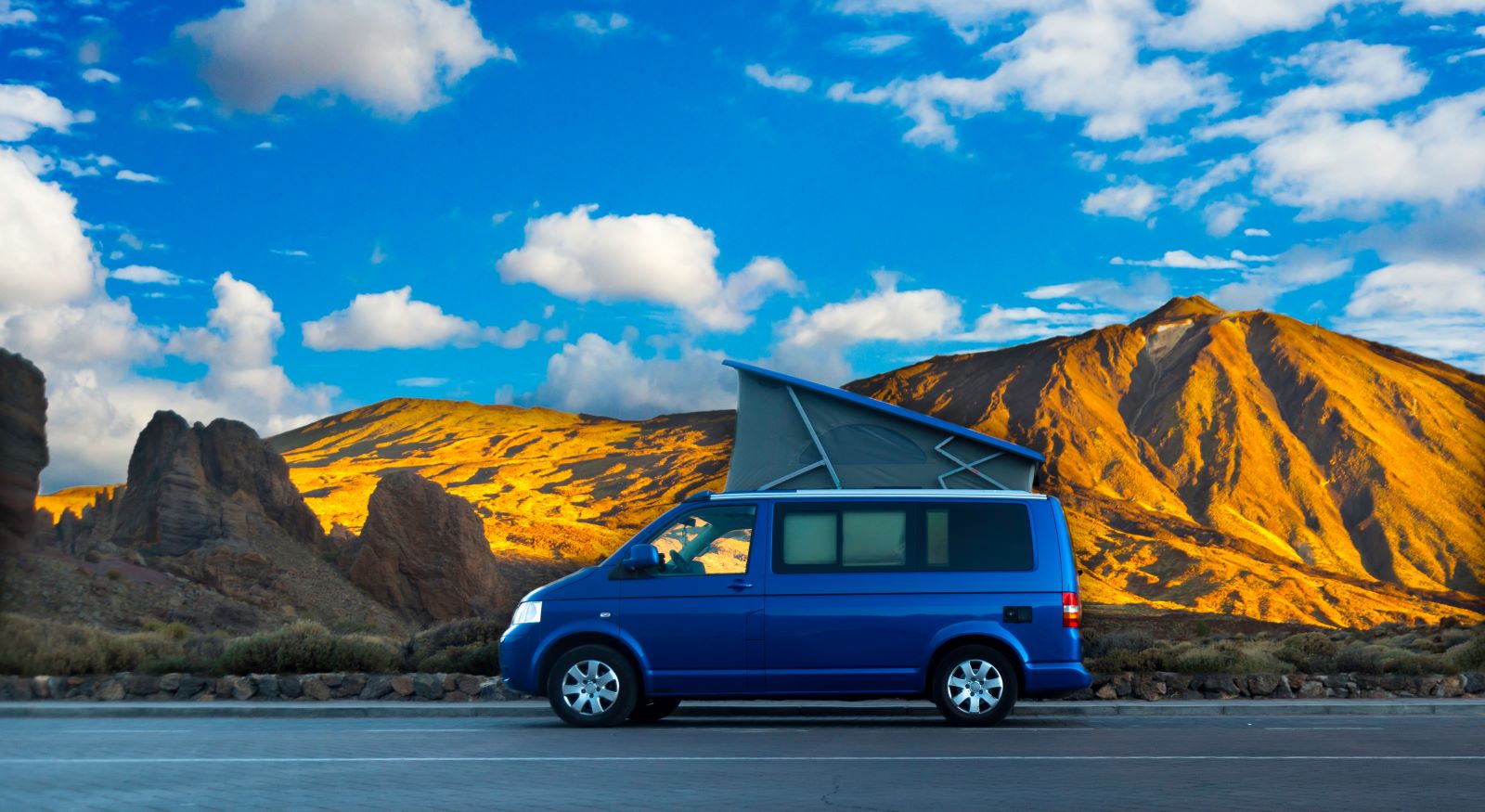
Finance Options: How to Pay for a Campervan Through Your Business
Don’t want to buy it outright? You don’t have to.
We specialise in helping businesses secure financing tailored to their needs. Here are a few options:
1. Hire Purchase (HP)
- Pay monthly instalments over an agreed term.
- You own the campervan at the end of the agreement.
- Ideal for businesses planning long-term use.
2. Finance Lease
- Spread the cost and use the vehicle without full ownership.
- Possible to share in the resale value at the end of the term.
- Great for businesses that want to keep their options open.
3. Business Loan / Asset Finance
- Secure a lump sum to purchase the campervan outright with a business loan.
- Or use asset finance, where the campervan itself acts as security for the funding.
- Both options help keep your working capital free for other expenses.
All options come with pros and cons. That’s why working with a broker who really gets it makes all the difference.
What About Insurance and Maintenance?
Whatever route you go down to acquire the campervan, whether that’s leasing, financing or buying it outright, it needs to be insured under your business name. That part isn’t optional.
Commercial vehicle insurance will cover a business owned campervan, but if there’s any personal use involved you need to declare it upfront. Not doing so could invalidate your policy entirely, which is a risk not worth taking.
It’s also worth building maintenance into your budget from the start. Campervans have slightly different upkeep requirements compared to a standard car or van, so the costs can catch people out if they haven’t accounted for them. Treat both insurance and maintenance as regular ongoing business expenses rather than one-off considerations.
Can I Use a Campervan for Both Business and Personal Travel?
Yes, but tax implications apply. Here’s what you need to know:
- If you use it personally, HMRC may charge Benefit-in-Kind (BIK) tax
- Keeping detailed mileage logs helps separate business and personal trips
- VAT reclaim will be limited or unavailable if there is personal use
- Some finance agreements may restrict personal use, so always check the small print
Good record keeping really is the thing that keeps everything clean with HMRC. Log your trips, know your numbers, and if you’re unsure about anything then a quick conversation with your accountant is always time well spent.
Pros and Cons of Buying a Campervan Through Your Business
Every finance option has advantages and drawbacks. Here’s a quick summary to help you weigh up the decision:
Pros:
- Manageable payments spread over time
- Potential tax benefits including VAT recovery and capital allowances
- Greater flexibility for business travel and client entertainment
- An additional asset on your business balance sheet
Cons:
- Personal use can lead to tax implications including BIK tax
- Lenders may require a strong financial history or personal guarantee
- Maintenance and insurance add to long-term business expenses
For the right kind of business, a campervan can be a genuinely smart purchase. And with the right finance deal behind it, you don’t have to choose between getting something that works for the business and staying within budget.
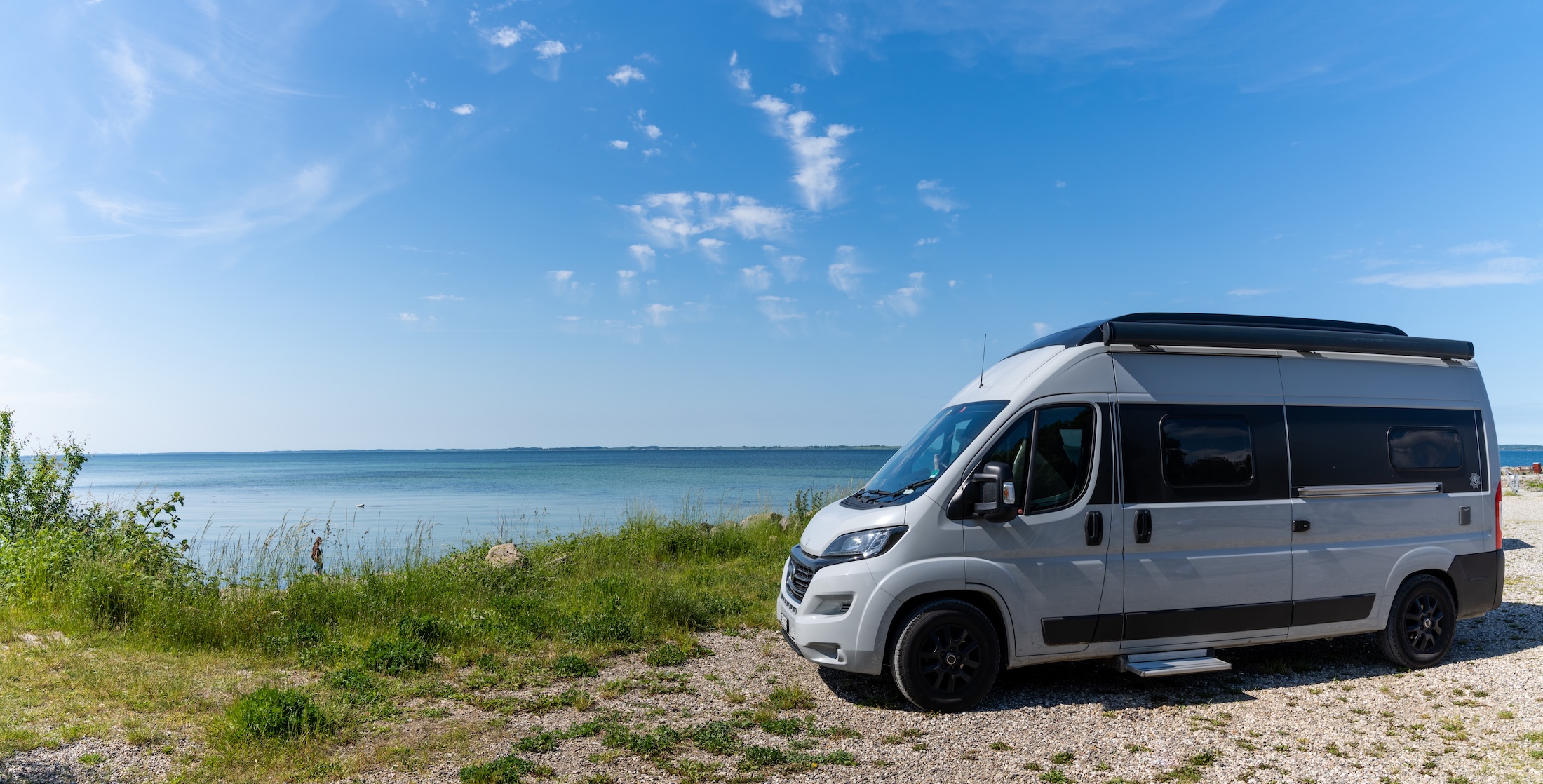
Ready to Buy a Campervan Through Your Business?
If a campervan makes sense for your business, there’s really no reason to put off exploring your options. At First Oak Capital we know how to structure these deals properly, and we’ll make sure the whole process is as straightforward as it can be.
How First Oak Capital Can Help
This part’s important.
We get to know your business. We don’t push one-size-fits-all products. We don’t ghost you. And we never leave you guessing.
What we do:
- Find the right lender for you
- Help you prepare your application
- Improve your approval chances
- Get you the best deal available
Finding the right lender on your own isn’t always straightforward, and that’s exactly where we come in. We work with sole traders, limited companies and partnerships right across the UK.
Whether you know exactly what you want or you’re still figuring out what makes sense for your situation, we’re happy to talk it through with you. No obligation, just straightforward advice from people who know the market.
Ready to get moving?
Yes, but tax implications apply. If you use it personally, HMRC may charge Benefit-in-Kind (BIK) tax. Keeping mileage logs helps separate business and personal trips.
Yes, but expect stricter requirements. Lenders may ask for a larger deposit or personal guarantee. A solid business plan improves your approval chances.
Absolutely. Paying on time boosts your credit rating, while missed payments harm it. Reliable repayment strengthens future borrowing potential.
Some applications get approved in days, while complex cases take longer. Submitting complete financial documents speeds up the process.
Lenders usually ask for financial statements, tax records, and proof of income. Startups may need to submit a business plan.
Yes, if it’s exclusively for business use and your company is VAT-registered. If you use it personally, expect limited VAT recovery.
Yes, but only if used primarily for business. If personal use applies, you may owe BIK tax.
Yes, commercial vehicle insurance covers business-owned campervans. Disclose any personal use to ensure proper coverage.
Some leases include mileage caps, and exceeding them incurs fees. Always review terms before signing.
Most campervans are converted commercial vehicles. Check the registration document (V5) to see how the DVLA has classified it, as this affects your tax treatment and finance options.
Yes you can. Your old motorhome will form part of your deposit on the new one. Or you could try selling it to a motorhome specialist buyer to see if they’ll offer you more. We’d recommend getting a second opinion from the experts at National Motorhome Buyers.